
KNOWLEDGE TURNS HESITATION INTO ACTION
Trainings That Help Communities Respond Earlier
COMMUNITY TRAININGS
We offer free community-based trainings that equip youth, caregivers, educators, organizations, and community members with practical tools to recognize warning signs, respond with confidence, and connect people to support before challenges become crises.
PREPARED PEOPLE CREATE SAFER COMMUNITIES
Prevention starts with people who know what to do.
Mental health, suicide prevention, and overdose response are community issues — and everyone has a role to play.
Through certified and community-centered trainings, Legacies Empowered helps individuals and organizations build the knowledge, confidence, and language needed to support people in real-life moments. These trainings serve educators, caregivers, youth-serving professionals, community members, youth, and young adults.
We are committed to making sure our communities know how to recognize those moments, respond with care, and connect people to support—before it’s too late.
Because healing, growth, and stability are possible when people have the right tools and community around them.

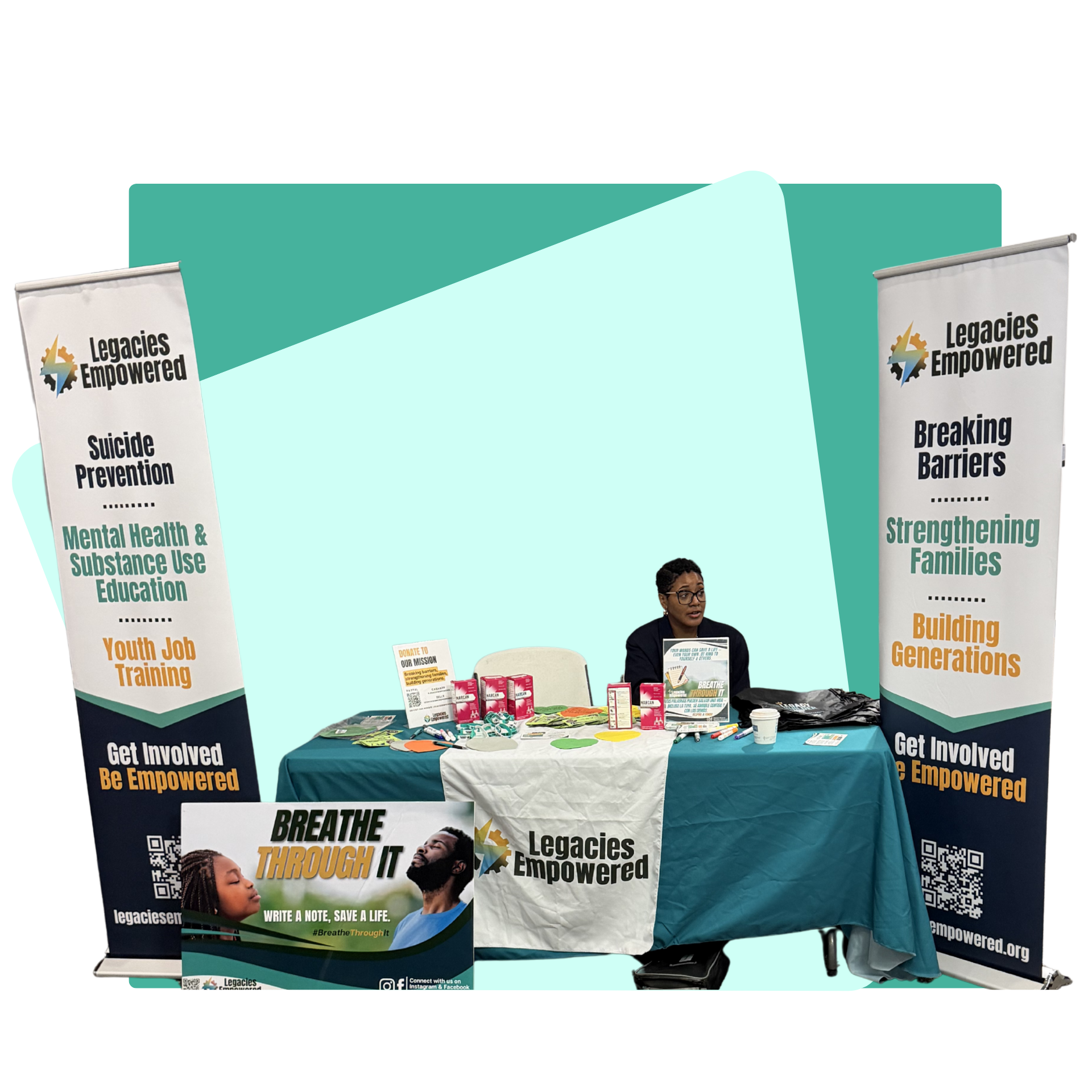
QPR Suicide Prevention Training
QPR stands for Question, Persuade, and Refer — three steps anyone can learn to support someone who may be experiencing suicidal thoughts or emotional crisis.
This training helps participants:
Recognize warning signs of suicide

Ask direct, supportive questions
Offer hope and connection
Refer someone to appropriate support
QPR Suicide Prevention Training creates space for honest conversations while giving participants practical tools they can use in schools, organizations, families, and community settings.
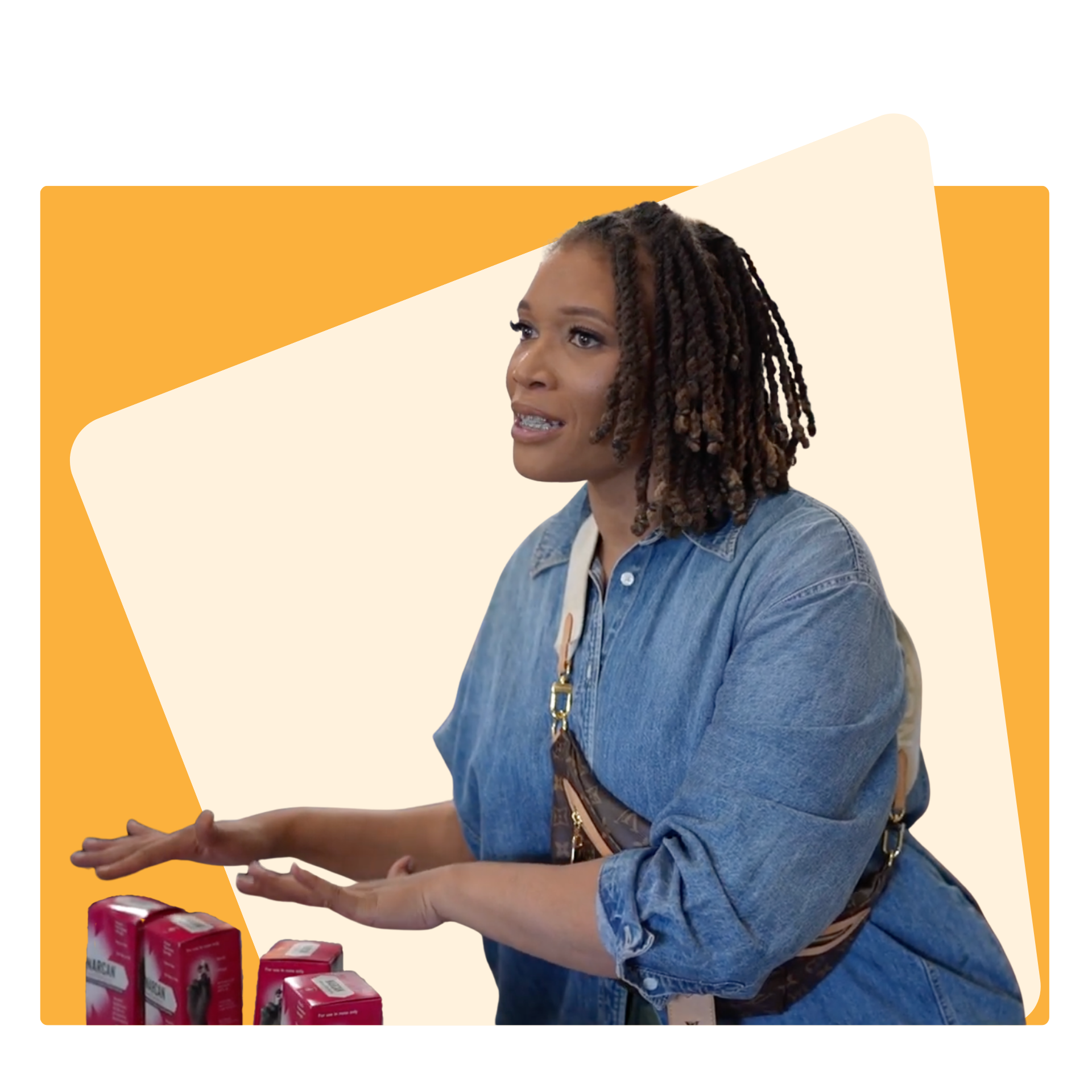
Overdose Prevention Education
Overdose Prevention Education provides life-saving information on opioid use, fentanyl awareness, overdose response, and Naloxone/Narcan use.
Participants learn how to:
Recognize signs of an overdose
Respond quickly and safely
Understand Naloxone/Narcan administration
Reduce stigma around substance use
Share prevention information with others
Naloxone may be distributed during eligible trainings when available.
Mental Health
First Aid
Mental Health First Aid teaches participants how to recognize, understand, and respond to signs of mental health and substance use challenges.
These trainings are designed for educators, caregivers, youth-serving professionals, community members, organizations, staff teams, and teens ages 14-18.
Participants learn how to:
Identify signs of mental health challenges
Respond with care and confidence
Support someone until professional support is available
Reduce stigma around mental health conversations
WHO THESE TRAININGS ARE FOR
Built for the people who show up for others.
Our trainings are designed for individuals, teams, and community spaces that want to be better prepared to support youth, families, and neighbors.

-
Caregivers & Families
-
Peer Leaders & Volunteers
-
Schools & Educators
-
Faith Communities
-

Youth-Serving Organizations
-
Community Groups
-
Nonprofits
-
Workplace Teams
START THE CONVERSATION WHERE IT MATTERS MOST
Bring a Training to Your Community
Want to host a training for your school, organization, staff, or community group? Complete the request form below and our team will follow up with next steps.
Tell us which training you’re interested in, who you’d like trained, and what setting you’re requesting it for. We’ll review your request and connect with you about availability, format, and next steps.
Stay plugged into the mission and the movement.
Get updates on community events, helpful resources, new videos, and ways to support the work happening through Legacies Empowered.
SUPPORT SHOULD NOT BEGIN AT THE BREAKING POINT
Be the reason someone gets support sooner.
Too often, people only receive support once they are already overwhelmed, disconnected, or in crisis. Legacies Empowered is working to change that by making prevention education more accessible, practical, and community-centered.
These trainings give people the tools to notice sooner, respond better, and connect others to care with less fear, stigma, or uncertainty.